
Opening up a line of communication between each of your teams and the accounting team is another important step of delegation. Your teams should feel like they can communicate with the top numbers folks at all times — this builds trust on both sides. Now begins your standardization across the business for data and processes. Setting up your business’s ledger will let you clearly categorize costs you incur as a business, getting you one step closer to a COGS calculation. Generally Accepted Accounting Principles (GAAP) for your COGS calculations. Companies whose stock is publicly traded are required to use these standards.
COGS, costs, and inventory
Wineries have federal excise obligations and state rules that affect timing and cash. The TTB has clear guidance on wine excise tax rates and filing requirements, and it is important to know which bottles and volumes trigger which rates. Treat excise timelines as cash events that you must plan for, not just tax entries. The cost you put into making wine is tied up well before you ever take a case to market. That means your bookkeeping needs to do more than tally receipts and run tax returns. You need to link grape costs, fermentation, barrel fees, and bottling to the wine you ultimately sell, so you can see whether a vintage actually made money.
Accountants’ Guidebook

Whoever manages the accounting for the winery should have knowledge of how this is done within the company’s accounting software. When calculating the cost of making and selling wine, it’s typically recommended to use accounting principles generally accepted in the United States of America (U.S. GAAP). Usually, U.S. GAAP is the standard used for financial statements in business. GAAP basis accounting is typically considered a more accurate reflection of a business’s performance rather than tax basis accounting or another financial reporting framework.
- This index is based on a comparison of the base year cost of the inventory and the current year cost, which is then converted into a percentage and used to value the ending inventory.
- It requires meticulous tracking of receivables, payables, and inventory costs, as well as a strong understanding of accounting principles.
- Treat excise timelines as cash events that you must plan for, not just tax entries.
- We are committed to simplifying the complexities of accrual accounting for you, providing accurate, timely, and insightful financial information that empowers you to make sound business decisions and drive sustainable growth.
- These systems provide business owners with accurate, up-to-the-minute information on sales, inventory, and inventory valuation, including data from tasting rooms.
How To Think About Inventory and COGS In Wineries
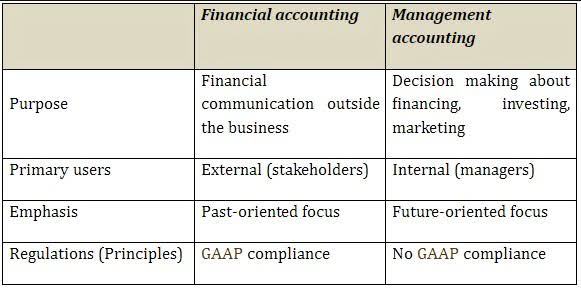
This includes keeping tabs on what materials and labor went into creating specific vintages and blends. There’s a wide gulf between financial reporting and management account reporting. Financial reporting operates under GAAP guidelines and allows your company to remain compliant with policy boards. In contrast, management reporting analyzes department performance as well as its relationship to expenditures and returns on investment (ROI).
Are my temporary vineyard harvest workers W-2 employees or 1099 Contractors?
By capturing real-time financial information, winery owners can make informed decisions, identify https://www.alliancewe.com/accounts-receivable-insurance-complete-guide/ trends and take corrective actions promptly. Cost analysis tools provide detailed views of production expenses and highlight opportunities to cut costs and boost profits. These tools track the ROI of each product, guiding owners on which wines to prioritize and how to allocate resources. Together, they offer a comprehensive approach to managing your winery’s financial health.
latest services & supplies
- Wine sales may be direct-to-consumer through tasting rooms or wine clubs, or to a third-party distributor.
- Tasting room inventory should be counted regularly as well as included in the winery’s physical inventory count.
- All of these costs should be accounted for in the costing of your product and ultimately the value of your inventory.
- Training teams properly to use the software is crucial to long-term success.
- Some factors to consider are available features, scalability, ease of use and system support.
That production cost, which includes raw material inputs, direct labor, production supplies, and related overhead costs is recognized on the balance sheet as an addition to the cost of wine inventory. Eventually, when the finished wine is sold, the costs incurred with making that product—the COGP—are recorded on the Online Accounting income statement as the COGS for the period. At the same time, a matching offsetting entry is made to reduce the inventory value on the balance sheet.
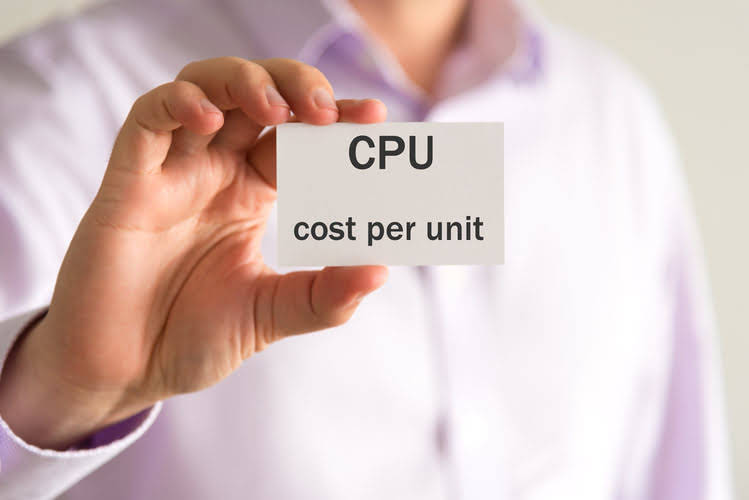
Such records provide important ongoing accounting and internal control data about the grapes throughout the production process. Cost accounting in vineyard operations is a nuanced process that requires a deep understanding of both agricultural and production costs. The first step involves categorizing costs into direct and indirect expenses. Direct costs are those that can be directly attributed to the production of grapes, such as winery accounting labor, fertilizers, and water. Indirect costs, on the other hand, include overhead expenses like equipment depreciation, property taxes, and administrative salaries. By accurately categorizing these costs, vineyard managers can gain a clearer picture of where their money is going and identify potential areas for cost reduction.
Leave a Reply